Ecoliteracy: Key to Building a Sustainable Future Together
Ecoliteracy is not just knowledge; it’s the key to collaborating for a sustainable future. Discover how understanding our environment fosters community and growth.
Understanding Ecoliteracy: Definition and Importance
Ecoliteracy, a portmanteau of “ecology” and “literacy,” refers to the understanding of natural systems that make life on Earth possible. It encompasses knowledge about ecosystems, their interconnections, and the human impact on these systems. Ecoliteracy is more than just awareness; it’s an intricate understanding of how living organisms, including humans, interact with their environment. This profound comprehension is the cornerstone of making informed decisions that promote environmental sustainability and conservation.
The significance of ecoliteracy cannot be overstated. In a world grappling with climate change, biodiversity loss, and pollution, it is imperative that individuals possess a deep understanding of ecological principles. This knowledge empowers people to make choices that reduce their environmental footprint and advocate for policies that protect the planet. Ecoliteracy transforms passive awareness into active stewardship, fostering a culture of care and responsibility towards the Earth.
Moreover, ecoliteracy is crucial for building resilience against environmental challenges. As communities face the increasing threats of natural disasters and resource depletion, an ecoliterate populace can better anticipate, adapt to, and mitigate these impacts. By understanding the complex web of life and our place within it, we can develop more sustainable practices that ensure the well-being of current and future generations.
The Role of Ecoliteracy in Environmental Sustainability
Environmental sustainability hinges on the ability to maintain the health and vitality of our planet’s ecosystems. Ecoliteracy plays a pivotal role in this endeavor by equipping individuals with the knowledge necessary to live in harmony with nature. By understanding the principles of ecology, people can make more sustainable choices in their daily lives, from reducing waste to conserving energy and water.
Furthermore, ecoliteracy fosters a sense of interconnectedness and interdependence among all living beings. This awareness inspires a commitment to preserving biodiversity and protecting natural habitats. When individuals recognize the intrinsic value of nature and the services it provides, they are more likely to support conservation efforts and advocate for policies that promote environmental sustainability.
Ecoliteracy also drives innovation in sustainable practices. With a solid foundation in ecological knowledge, individuals and communities can develop new technologies and approaches that minimize environmental impact. From renewable energy solutions to sustainable agriculture practices, ecoliteracy is the bedrock upon which sustainable advancements are built. By fostering a deeper understanding of the natural world, we can unlock the potential for a more sustainable and prosperous future.
Ecoliteracy vs. Traditional Literacy: Key Differences
While traditional literacy focuses on reading, writing, and arithmetic, ecoliteracy encompasses a broader spectrum of knowledge and skills. Traditional literacy equips individuals with the tools to communicate and interpret information, but it does not necessarily provide an understanding of the natural world and our place within it. Ecoliteracy, on the other hand, emphasizes the importance of ecological knowledge and the ability to apply this understanding to real-world situations.
One key difference between ecoliteracy and traditional literacy is the emphasis on systems thinking. Ecoliteracy encourages individuals to see the world as a network of interconnected systems, where changes in one part can have far-reaching effects on the whole. This holistic perspective contrasts with the often linear and compartmentalized approach of traditional literacy. By fostering systems thinking, ecoliteracy enables individuals to grasp the complexity of environmental issues and develop more effective solutions.
Another distinction is the focus on ethical and moral considerations. Ecoliteracy involves an awareness of the ethical implications of our actions on the environment and other living beings. It promotes a sense of responsibility and stewardship, encouraging individuals to make choices that benefit both people and the planet. Traditional literacy, while essential, does not inherently address these ethical dimensions. By integrating ecological principles into our understanding of the world, ecoliteracy enriches our capacity to make informed and conscientious decisions.
Benefits of Ecoliteracy for Individuals and Communities
The benefits of ecoliteracy extend far beyond individual knowledge; they ripple through communities, fostering a collective commitment to sustainability. For individuals, ecoliteracy enhances critical thinking and problem-solving skills. By understanding ecological principles, people can analyze environmental issues more effectively and develop innovative solutions. This ability to think critically about complex systems is invaluable in addressing the multifaceted challenges of sustainability.
Ecoliteracy also promotes a sense of connection to nature, which has profound psychological and physical benefits. Studies have shown that spending time in natural environments can reduce stress, improve mood, and enhance overall well-being. Ecoliterate individuals are more likely to engage in outdoor activities and appreciate the beauty and diversity of the natural world. This connection to nature fosters a sense of stewardship and a desire to protect the environment for future generations.
At the community level, ecoliteracy can drive collective action and social cohesion. Communities with a strong foundation in ecoliteracy are better equipped to collaborate on sustainability initiatives and advocate for environmental policies. This collective effort can lead to the creation of green spaces, the implementation of renewable energy projects, and the promotion of sustainable practices. By working together, ecoliterate communities can build a resilient and sustainable future for all members.
Ecoliteracy in Education: Integrating Sustainability into Curricula
Integrating ecoliteracy into education is essential for cultivating a generation of environmentally conscious citizens. Schools and educational institutions play a pivotal role in shaping the knowledge and values of young people. By incorporating ecological principles into curricula, educators can provide students with the tools and understanding needed to address environmental challenges.
One effective approach is to embed ecoliteracy across various subjects, rather than treating it as a standalone topic. For example, science classes can explore ecological concepts such as biodiversity, ecosystems, and climate change. Social studies can examine the cultural and historical aspects of human-environment interactions. Even subjects like mathematics and language arts can incorporate environmental themes through data analysis and environmental literature. This interdisciplinary approach ensures that ecoliteracy is woven into the fabric of education.
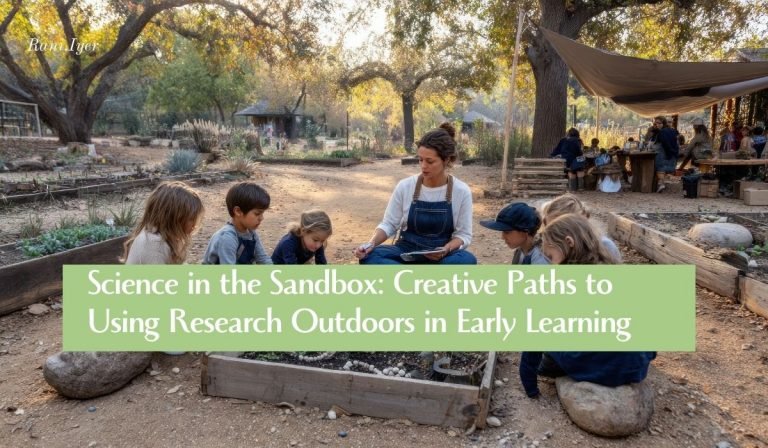
Experiential learning is another powerful method for fostering ecoliteracy. Field trips, outdoor activities, and hands-on projects allow students to engage directly with their environment and observe ecological principles in action. By participating in activities such as gardening, water quality testing, and wildlife observation, students gain a deeper appreciation for the natural world and an understanding of their role in protecting it. These experiences not only enhance ecoliteracy but also inspire a lifelong commitment to sustainability.
Practical Steps to Enhance Ecoliteracy in Daily Life
Enhancing ecoliteracy in daily life begins with small, intentional actions that collectively make a significant impact. One practical step is to reduce waste by adopting the principles of reduce, reuse, and recycle. By minimizing single-use plastics, composting organic waste, and recycling materials, individuals can lessen their environmental footprint and contribute to a more sustainable future. Simple changes, such as using reusable bags, bottles, and containers, can make a big difference.
Another way to enhance ecoliteracy is to make sustainable choices in energy consumption. This can involve using energy-efficient appliances, switching to renewable energy sources, and conserving electricity by turning off lights and unplugging devices when not in use. Additionally, individuals can reduce their carbon footprint by opting for public transportation, carpooling, biking, or walking instead of driving. These actions not only benefit the environment but also save money and improve overall well-being.
Engaging with local environmental initiatives and organizations is also a valuable way to enhance ecoliteracy. Volunteering for community clean-ups, participating in tree planting events, and supporting conservation projects provide hands-on experience and a deeper understanding of ecological principles. By connecting with like-minded individuals and organizations, people can share knowledge, resources, and inspiration to further their commitment to sustainability. These collective efforts build a stronger, more resilient community dedicated to protecting the planet.
Ecoliteracy and Its Impact on Policy Making
Ecoliteracy has a profound impact on policy making by informing and guiding decisions that promote environmental sustainability. Policymakers with a strong foundation in ecoliteracy are better equipped to understand the complexities of ecological systems and the long-term consequences of their actions. This knowledge enables them to craft policies that protect natural resources, reduce pollution, and mitigate the effects of climate change.
Informed citizens also play a crucial role in shaping environmental policies. Ecoliterate individuals are more likely to advocate for sustainable practices and hold policymakers accountable for their decisions. By participating in public consultations, voting for environmentally conscious candidates, and supporting advocacy groups, citizens can influence policy making and drive positive change. This collective effort ensures that environmental sustainability remains a priority at all levels of government.
Moreover, ecoliteracy fosters collaboration between various stakeholders, including government agencies, businesses, and community organizations. By understanding the interconnectedness of ecological systems, these stakeholders can work together to develop comprehensive and effective policies. This collaborative approach ensures that environmental, economic, and social considerations are balanced, leading to more sustainable and equitable outcomes. Ecoliteracy, therefore, is a powerful tool for driving systemic change and building a sustainable future.
Case Studies: Successful Ecoliteracy Initiatives Worldwide
Around the globe, numerous successful ecoliteracy initiatives demonstrate the transformative power of ecological education. One notable example is the Green School in Bali, Indonesia. This innovative school integrates sustainability into every aspect of its curriculum, from organic gardening and renewable energy projects to conservation and waste management. Students at the Green School engage in hands-on learning experiences that foster a deep connection to nature and a commitment to environmental stewardship. The school’s holistic approach has inspired similar initiatives worldwide and serves as a model for integrating ecoliteracy into education.
In Sweden, the city of Malmö has implemented a comprehensive ecoliteracy program that involves residents, schools, and businesses. The city offers workshops, seminars, and community events focused on sustainable living practices, such as energy conservation, waste reduction, and urban gardening. Malmö’s efforts have led to significant reductions in greenhouse gas emissions and waste, as well as increased community engagement in environmental initiatives. This collaborative approach has made Malmö a leader in urban sustainability and a shining example of the impact of ecoliteracy on community development.
Another successful initiative is the Roots & Shoots program, founded by Dr. Jane Goodall. This global youth-led organization empowers young people to take action on environmental, animal welfare, and humanitarian issues. Through hands-on projects and community service, participants develop a deep understanding of ecological principles and the skills needed to create positive change. Roots & Shoots has engaged millions of young people in over 100 countries, demonstrating the power of ecoliteracy to inspire and mobilize the next generation of environmental leaders.
Resources for Developing Ecoliteracy Skills
Developing ecoliteracy skills is an ongoing journey that can be supported by a wealth of resources. Books and documentaries are excellent starting points for gaining a deeper understanding of ecological principles and environmental issues. Titles such as “Silent Spring” by Rachel Carson, “The Sixth Extinction” by Elizabeth Kolbert, and “Braiding Sweetgrass” by Robin Wall Kimmerer offer valuable insights into the complexities of the natural world and our relationship with it. Documentaries like “Our Planet,” “Before the Flood,” and “The True Cost” provide powerful visual narratives that highlight the urgency of environmental action.
Online courses and workshops offer flexible and accessible ways to enhance ecoliteracy. Platforms like Coursera, edX, and FutureLearn provide courses on topics such as climate science, sustainable development, and conservation biology. Organizations like the Center for Ecoliteracy and the Natural Resources Defense Council also offer resources and training programs to support individuals and communities in their sustainability efforts. These educational opportunities equip learners with the knowledge and skills needed to make informed decisions and take meaningful action.
Engaging with local environmental organizations and community groups is another effective way to build ecoliteracy skills. Many organizations offer volunteer opportunities, workshops, and events that provide hands-on experience and practical knowledge. Joining a community garden, participating in citizen science projects, or attending sustainability workshops are excellent ways to connect with others and deepen your understanding of ecological principles. These experiences not only enhance ecoliteracy but also foster a sense of community and shared responsibility for the environment.
Conclusion: The Path Forward for a Sustainable Future
The journey towards a sustainable future hinges on our collective ability to understand and care for the natural world. Ecoliteracy is the key to unlocking this potential, providing us with the knowledge and skills necessary to make informed decisions and take meaningful action. By fostering a deep connection to nature and an understanding of ecological principles, we can build a more resilient and sustainable world for current and future generations.
The importance of ecoliteracy extends beyond individual knowledge; it is a catalyst for community engagement, policy making, and global collaboration. By integrating ecoliteracy into education, daily life, and policy decisions, we can create a culture of sustainability that permeates every aspect of society. Successful initiatives from around the world demonstrate the transformative power of ecoliteracy, inspiring us to take bold and innovative steps towards environmental stewardship.
As we move forward, it is essential to continue investing in ecoliteracy and supporting initiatives that promote environmental education and action. By leveraging the wealth of resources available and engaging with local and global communities, we can enhance our understanding of the natural world and our role within it. Together, we can build a sustainable future that honors the interconnectedness of all life and ensures the well-being of our planet for generations to come.